

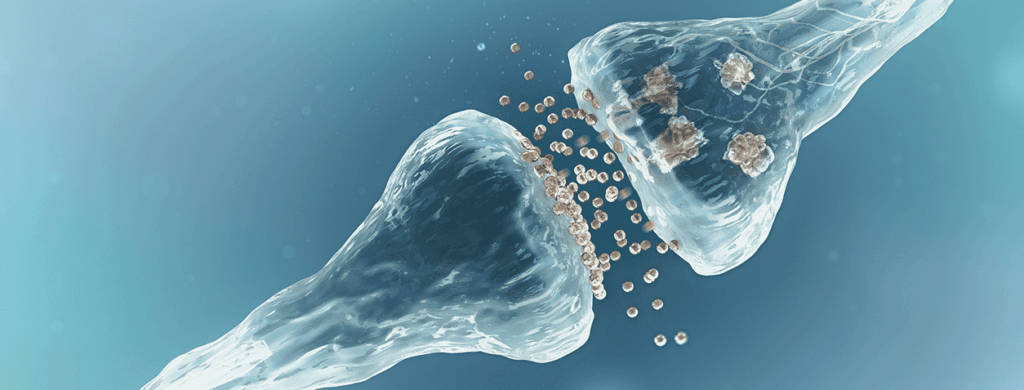
Neuro-nutrition is the scientific discipline that explores the interactions between nutrition, the brain, and the nervous system. Its objective is to understand how nutrients influence brain function, including memory, concentration, mood, sleep quality, stress management, and the risk of neurological disorders.
It is based on a simple observation: although the brain accounts for only about 2% of total body weight, it consumes nearly 20% of the body’s energy. As a result, optimal brain function depends greatly on the quality of the nutrients it receives.
1. The Main Mechanisms of Neuro-Nutrition
Neuro-nutrition focuses on several key mechanisms, including:
– Neurotransmitter production (serotonin, dopamine, GABA, acetylcholine, etc.), which requires specific vitamins, minerals, and amino acids.
-Neuroinflammation, which may be promoted by diets high in refined sugars and ultra-processed foods.
-The gut microbiota, often referred to as the “second brain,” which continuously communicates with the brain through the gut–brain axis.
-Neuroplasticity, the brain’s ability to form new neural connections throughout life.
Current research suggests that an appropriate diet may help to:
– improve concentration and cognitive performance;
– support memory;
– reduce stress and anxiety in some individuals;
– enhance sleep quality;
– promote better emotional well-being;
– reduce the risk of age-related cognitive decline.

.
.
.

2. Impact of Neuro-Nutrition Research on the Development of New Product Categories
New products are emerging with the objective of “delaying multi-system decline.” These products are formulated with nutrients that have demonstrated potential benefits for brain health, including:
- Omega-3 fatty acids (DHA, EPA), which play a key role in neuronal structure, memory, and cognitive function;
- B vitamins (B6, B9, B12), due to their involvement in neurotransmitter synthesis and homocysteine metabolism regulation;
- Magnesium, which contributes to nervous system relaxation, stress management, and sleep quality;
- Choline, as a precursor of acetylcholine, a neurotransmitter involved in memory processes;
- Amino acids (tryptophan, tyrosine), which serve as precursors of serotonin and dopamine;
- Polyphenols, known for their protective role against oxidative stress;
- Psychobiotic probiotics (specific strains of Lactobacillus and Bifidobacterium), which may influence the gut–brain axis.
Neuroscience research highlights that the brain is highly dependent on its energy metabolism. As a result, current formulations are increasingly targeting mitochondrial function rather than relying solely on stimulation. The objective is shifting towards reducing mental load, maintaining concentration, and limiting emotional fatigue.
This evolution is leading to the development of:
- Multi-target formulations, designed around microbiome biomarkers or cognitive health biomarkers;
- Personalized solutions, adapted to age, lifestyle, and individual needs through the principles of precision nutrition.
CONCLUSION :
Neuro-nutrition is a rapidly expanding scientific field that aims to optimize brain function through targeted nutrition. It combines knowledge from nutrition, neuroscience, and physiology to influence cognitive performance, psychological well-being, and the prevention of brain aging.
Today, this science represents one of the most dynamic segments of the health and wellness market, with applications targeting memory, concentration, stress management, sleep, mood, and cognitive aging. Numerous research studies are also focusing on innovative ingredients such as psychobiotics, citicoline, polyphenols, and certain functional mushrooms.
To read too:
- White label, a solution?
- Probiotics: What is this new trend consisting of bacteria for In & Out use?
- Cosmetic Packaging: Airless, bio-sourced & refillable for greener products
- Cosmetics: towards green formulation
- Powdered cosmetics, a trend to follow?
- Regulation and development of cosmetic ranges or well-being products
- https://www.instagram.com/mesactifsprecieuxbyncc/
Do you want to develop new products? Discover our free In&Out product catalogue!
