

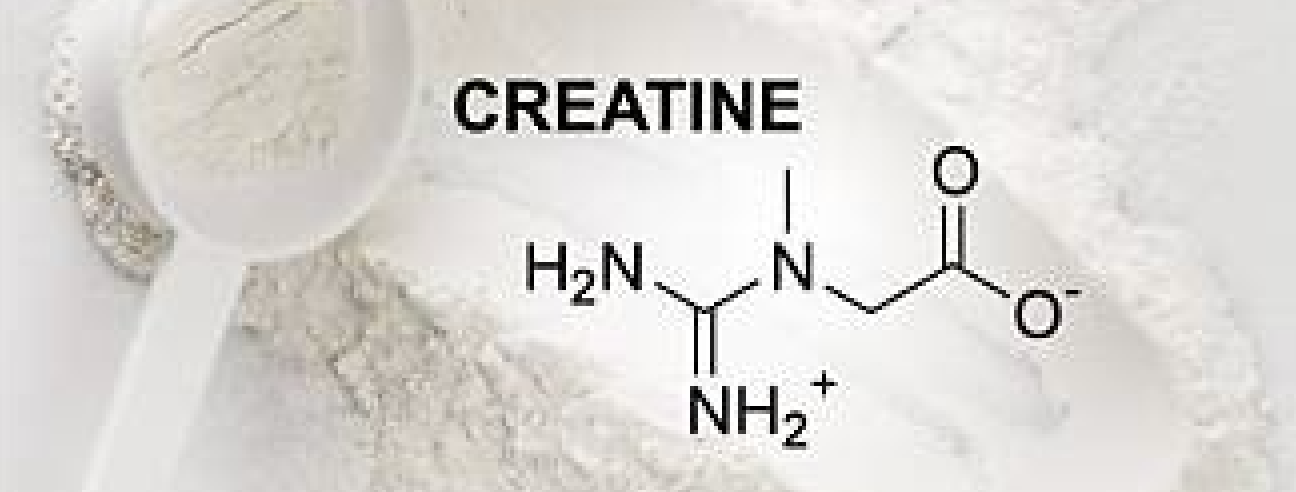
Although creatine has traditionally been associated with muscle building and athletic performance, research over the past 10 to 15 years has revealed its potential for much broader applications. Its main function is to increase phosphocreatine reserves, thereby supporting the rapid regeneration of ATP, the primary cellular energy currency. As a result, tissues with high energy requirements — including the brain, skeletal muscle, and heart — may particularly benefit from supplementation.
1. The key areas of interest for creatine research and applications
– Cognitive function and neuro-nutrition
– Healthy ageing, functional capacity, and maintenance of autonomy
– Bone health through preservation of muscle strength and function
– Fatigue management and physical recovery
– Brain health and neurological conditions
– Depression, mood regulation, and mental well-being
– Cardiovascular health and energy metabolism
– Clinical nutrition and therapeutic support

.
.
.

2. Long-term safety of use
Creatine monohydrate is one of the most extensively studied nutritional compounds.In healthy adults:
- a daily intake of 3 to 5 g is considered safe for long-term use;
- no evidence of kidney damage has been demonstrated in individuals with normal kidney function;
- the main reported side effects are gastrointestinal in nature (bloating, digestive discomfort) and a slight initial weight gain related to increased intracellular water retention.
Individuals with kidney disease or those taking medications that may affect kidney function should seek medical advice before starting supplementation.
3. The main forms of creatine are
- Creatine monohydrate: the gold standard. It represents nearly 90% of the global market, with more than 1,000 published studies supporting its efficacy and safety
- Micronized creatine: monohydrate form processed into smaller particles to improve dispersion and dissolution.
- Creatine hydrochloride (HCl): a form that has gained popularity in recent years due to its very high solubility.
- Creatine citrate: a form known for its good solubility.
- Creatine malate: widely used in certain pre-workout formulations.
Depending on the formulation objective, creatine monohydrate remains the best choice in terms of efficacy, safety, cost-effectiveness, and level of scientific evidence. Micronized creatine may be preferred when improved dissolution is desired or for individuals experiencing digestive sensitivity. creatine HCl may be suitable when a lower powder volume is required.
In the fields of healthy ageing, longevity, and cognitive health, clinical trials investigating potential benefits on brain function, ageing processes, or sarcopenia have almost exclusively used the monohydrate form. This makes it the reference form for these emerging applications as well.

CONCLUSION :
Nutraceutical opportunities are highly significant. Given the recent advances in neuro-nutrition research, creatine represents a particularly promising ingredient for incorporation into innovative formulations. The most promising development areas include:
Neuro-performance: creatine + choline + DHA + B vitamins + magnesium.
Healthy ageing: creatine + proteins or collagen peptides + vitamin D + leucine.
Women’s health after the age of 50: creatine + proteins + vitamin D + calcium + magnesium.
Stress management and mental fatigue: creatine + L-theanine + saffron + magnesium + B vitamins.
These applications are supported by a stronger scientific foundation than many other ingredients used in cognitive nutrition, making this ingredient a leading candidate for the development of health and wellness products beyond the traditional sports nutrition market.
To read too:
- White label, a solution?
- Probiotics: What is this new trend consisting of bacteria for In & Out use?
- Cosmetic Packaging: Airless, bio-sourced & refillable for greener products
- Cosmetics: towards green formulation
- Powdered cosmetics, a trend to follow?
- Regulation and development of cosmetic ranges or well-being products
- https://www.instagram.com/mesactifsprecieuxbyncc/
Do you want to develop new products? Discover our free In&Out product catalogue!
