

WARNING : 21 NEW SUBSTANCES BANNED in the EU on 1 Sept 2025
CMR – Quesaco?
The regulations define these substances as follows:
– Carcinogenic substances (C): substances and mixtures which, if they are inhaled or ingested or if they penetrate the skin, may cause cancer or increase its incidence.
-Mutagenic substances (M): substances and mixtures which, if inhaled, ingested or absorbed through the skin, may produce heritable genetic defects or increase their frequency. These hereditary genetic defects correspond to a permanent change in the number or quality of chromosomes.
-Substances toxic for reproduction (R): substances and mixtures which, if inhaled, swallowed or absorbed through the skin, may produce or increase the frequency of harmful effects. These are non-hereditary effects on offspring, such as foetal malformations, or effects on reproductive functions or capacities.
CMR: Impact for exports to Europe
Regulation (EC) No 1223/2009, known as the ‘Cosmetics Regulation’, and in particular Article 15, bans substances classified as CMR in cosmetic products.
Exceptionally, however, these substances may be used under certain conditions. This same article states that category 1A or 1B CMR substances may be used in cosmetic products if:
– they comply with the food safety requirements set out in Regulation 178/2002 (and its amendments),
– there is no other suitable substitute substance, for a particular use in a category of products, with a given exposure and
– if the Scientific Committee on Consumer Safety (SCCS) responsible for assessing the safety of cosmetic ingredients has considered their use for a given purpose to be safe.
As for substances classified as CMR2, their use in cosmetic products is authorised if they have received a favourable opinion from the SCCS.
To ensure that you can export to Europe without risk, we recommend that you check that your formulas contain no CMR substances. However, they may still be used, depending on the level of danger and the conditions defined above.
.
.

Latest developments on CMR
The 7th CMR Regulation (Regulation (EU) 2025/877) was published on 13 May 2025 in the Official Journal of the European Union.
This new regulation aims to ban substances that have recently been classified as carcinogenic, mutagenic or toxic to reproduction (CMR) by Delegated Regulation (EU) 2024/197 of 19 October 2023 in cosmetic products.
It will apply from 1 September 2025, whether products are placed on the market or made available.
As a reminder, this classification is based on a scientific assessment carried out by the Risk Assessment Committee (RAC) of the European Chemicals Agency (ECHA).
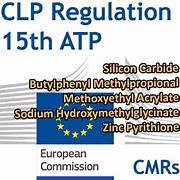
Annex II (list of substances prohibited in cosmetic products) of Regulation (EC) No 1223/2009 on cosmetic products has been amended, with 21 new substances being added to the annex. They will no longer be permitted in cosmetic products in Europe from 1 September 2025.
These include Dimethyltolylamine (CAS 99-97-8) and Trimethylbenzoyl diphenylphosphine oxide (CAS 75980-60-8).
Conclusion
The regulations applicable to cosmetic products are constantly changing. It is essential to master them in order to apply these regulations as effectively as possible.
To read too:
- White label, a solution?
- Probiotics: What is this new trend consisting of bacteria for In & Out use?
- Cosmetic Packaging: Airless, bio-sourced & refillable for greener products
- Cosmetics: towards green formulation
- Powdered cosmetics, a trend to follow?
- Regulation and development of cosmetic ranges or well-being products
- https://www.instagram.com/mesactifsprecieuxbyncc/
